

In short: Nigerian cuisine is far more than jollof rice. With over 250 ethnic groups, it spans Yoruba pepper stews and swallows, hearty Igbo soups and northern dishes, all built on a slow-cooked pepper base. Key dishes include Jollof Rice, Ofada Rice with Ayamase, Egusi, Efo Riro, Abula, Asaro, Ewa Aganyin and small chops.
Most people meet Nigerian food through one dish: jollof rice. It is a wonderful introduction, but it is only the first page of a much bigger story. Nigerian cuisine is regional, layered and deeply tied to how people live, celebrate and gather. Once you start exploring, you realise how much there is to discover.
One Country, Many Kitchens
Nigeria is home to more than 250 ethnic groups, and each brings its own food traditions. The three largest, the Yoruba in the south west, the Igbo in the south east and the Hausa in the north, all cook in distinct ways.
Yoruba cooking is known for its rich pepper stews, leafy vegetable soups and swallows such as Amala. Igbo cooking is famous for its hearty soups. Northern cooking has its own grains, grilled meats and spice blends. Then there are the many other communities across the country, each with dishes that rarely travel beyond their region.
What ties it all together is a commitment to flavour that is built in layers, not added at the end. Nigerian food tastes like someone spent hours making it, because usually someone did.
The Pepper Base: Where It All Begins
If there is one foundation that runs through Nigerian cooking, it is the pepper base. Tomatoes, red bell peppers, scotch bonnet and onion are blended and cooked down slowly, often in palm oil or vegetable oil, until the raw taste disappears and the sauce turns deep and concentrated.
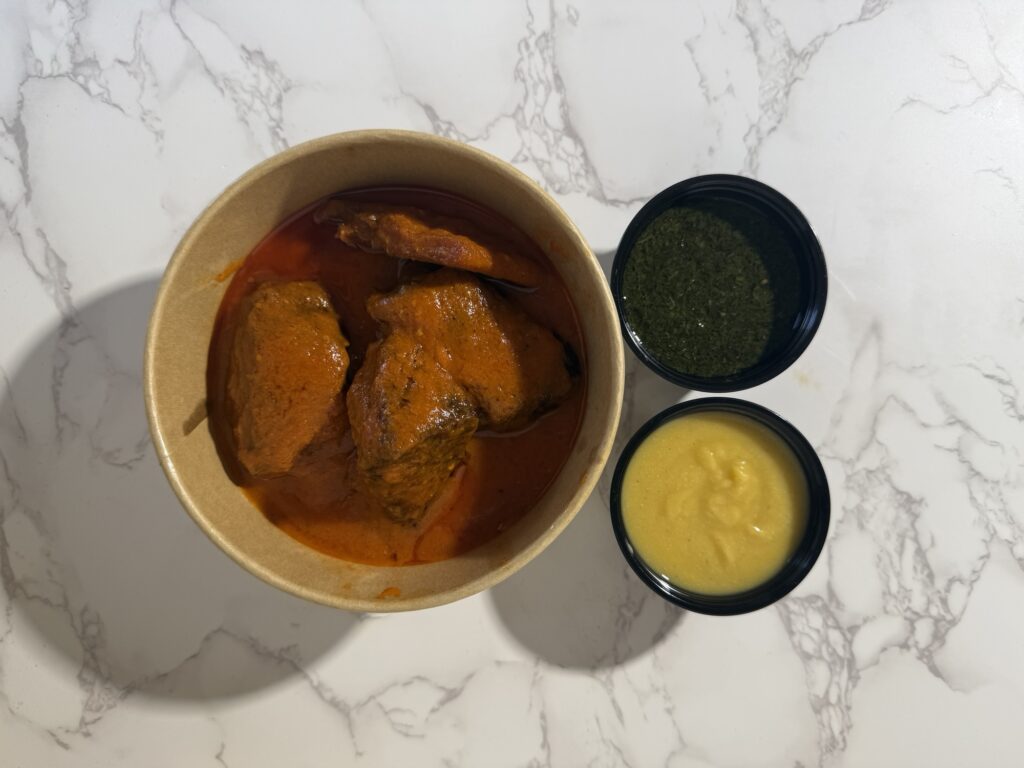
This base becomes Buka-style stew, the rich red stew served in local eateries and homes alike. It is the starting point for jollof rice. It sits under Abula and alongside rice and beans. Learn to recognise it, and you will start to taste it everywhere in Nigerian food.
Rice in Many Forms
Rice is central to Nigerian everyday eating and to celebrations.

Nigerian Jollof Rice is cooked directly in the pepper base so every grain absorbs the flavour. At its best it carries a light smokiness from high heat.
Nigerian Fried Rice is colourful and lightly seasoned, often served next to jollof at parties.
Rice and Beans is a humble, comforting dish that many Nigerians grew up on.
Ofada Rice with Ayamase is something special. Ofada is a local Nigerian rice with a distinct aroma, and Ayamase is a fiery green pepper sauce made with green peppers, scotch bonnet and locust beans, known in Yoruba as iru. Together they are bold, earthy and unforgettable.
Swallows and Soups
For many Nigerians, a meal is not complete without a swallow. A swallow is a soft, smooth, dough-like side made from yam, cassava or other starches. You tear off a small piece with your fingers, shape it slightly, dip it into a soup or stew and eat it in one go.
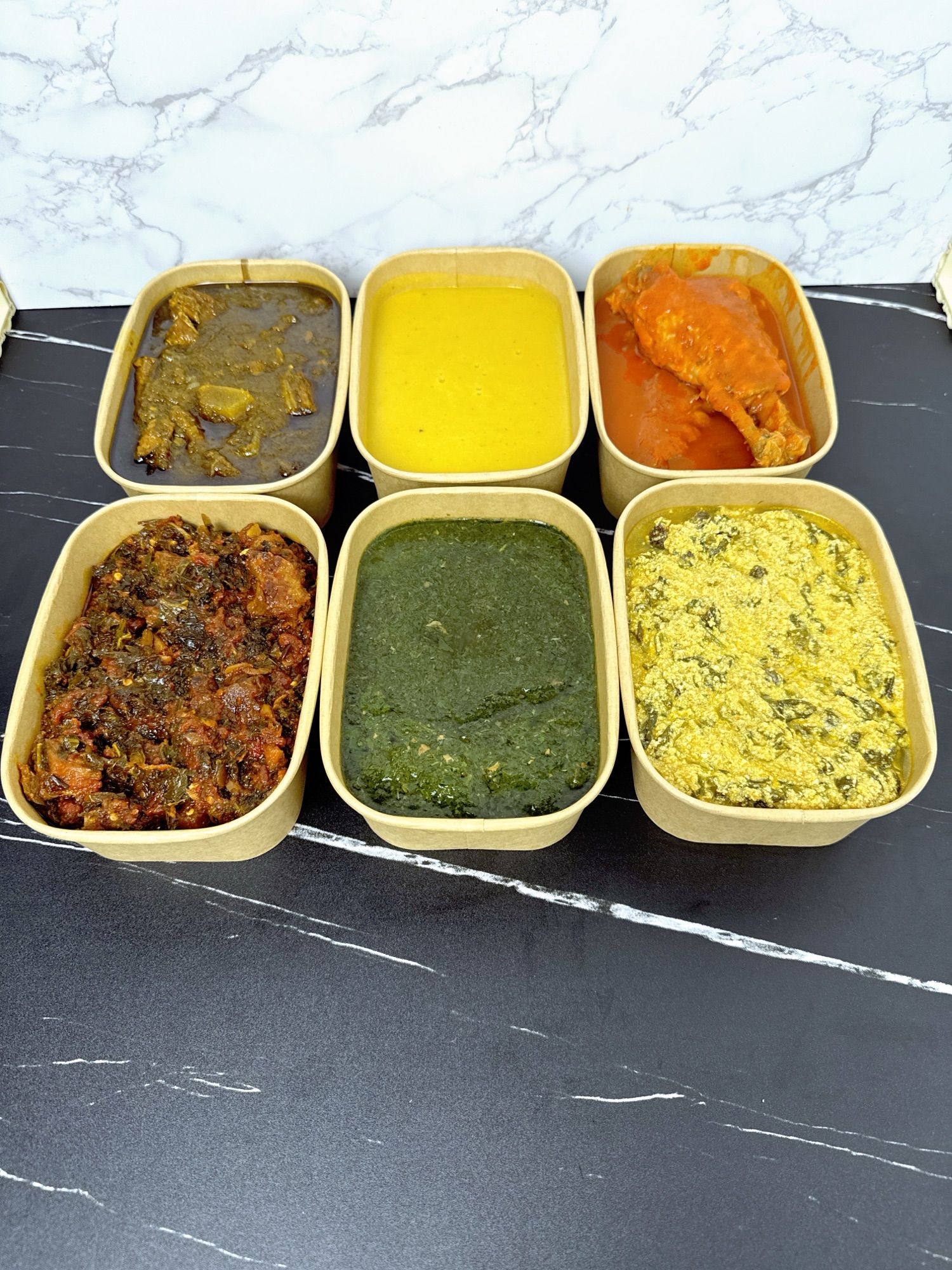
Pounded Yam is smooth and stretchy, made from boiled yam pounded until soft.
Amala is made from yam flour and has a darker colour and an earthy flavour.
These swallows are paired with soups and stews such as:
- Egusi: a thick, nutty soup made from ground melon seeds, cooked with leafy greens and a spiced base.
- Efo Riro: a Yoruba stew of leafy greens cooked in a pepper and palm oil base, rich and deeply savoury.
- Buka-style stew: the classic red pepper stew.
Pounded Yam and Efo Riro, and Amala with Efo Riro, are two of the most loved combinations.
Abula: A Yoruba Classic
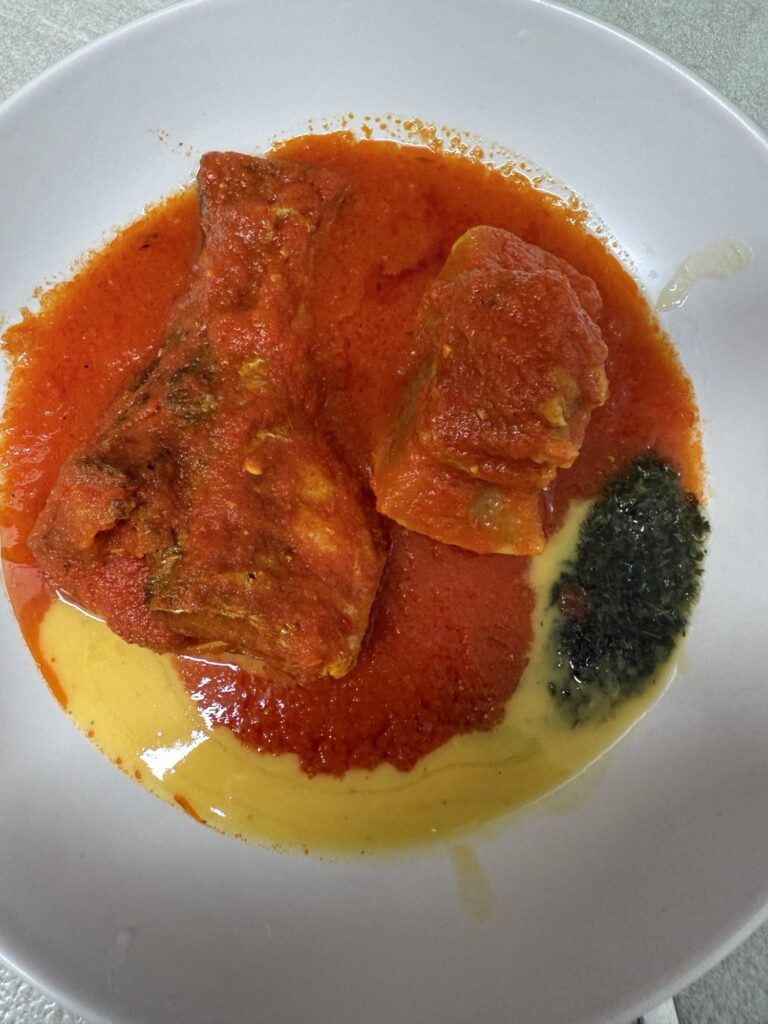
Abula brings several elements together on one plate. Amala is served with Gbegiri, a smooth bean soup, and Ewedu, a light leafy green soup with a slippery texture that is part of its charm. A rich Buka-style stew is poured over the top. You mix as you eat, and the combination of textures and flavours is unlike anything else.
Comfort From Yam and Beans
Some of Nigeria’s most comforting dishes are the simplest.
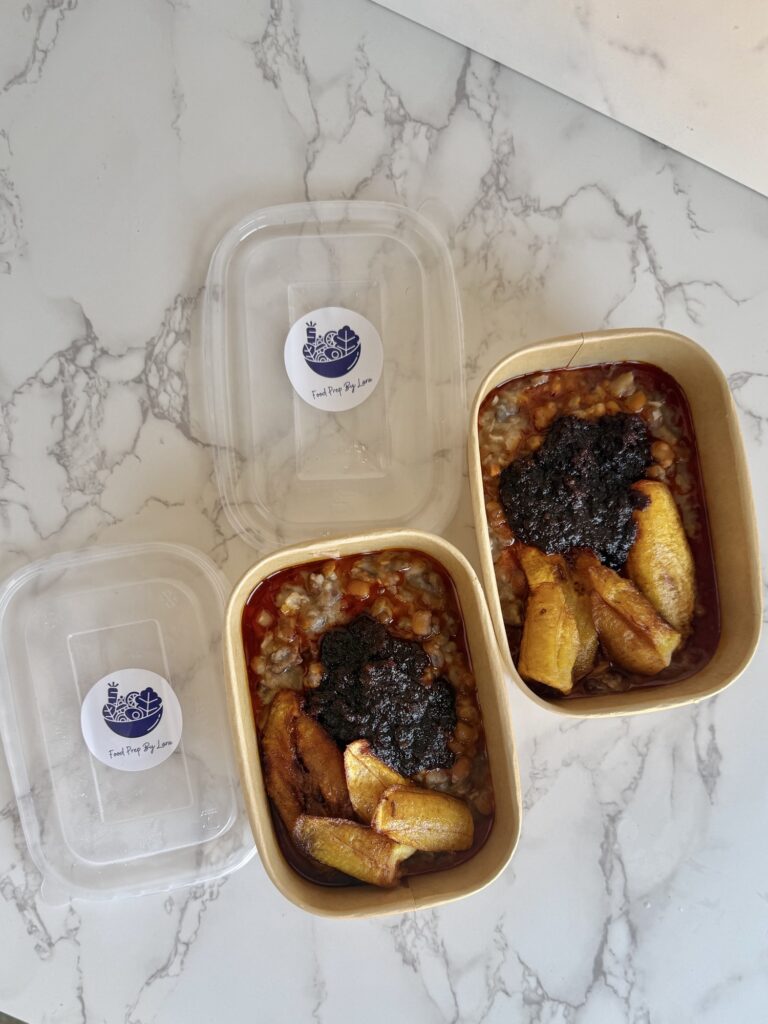
Asaro is yam pottage. Chunks of yam are cooked in a pepper base with palm oil until they soften and partly break down into a thick, savoury porridge. It is warming and filling.
Ewa Aganyin is soft, mashed beans served with a deep, dark pepper sauce cooked slowly in palm oil. It is a much loved Lagos street food and is often eaten with bread.
Small Chops: The Joy of Snacking
Nigerian gatherings almost always start with small chops, bite-sized snacks that are served as guests arrive.
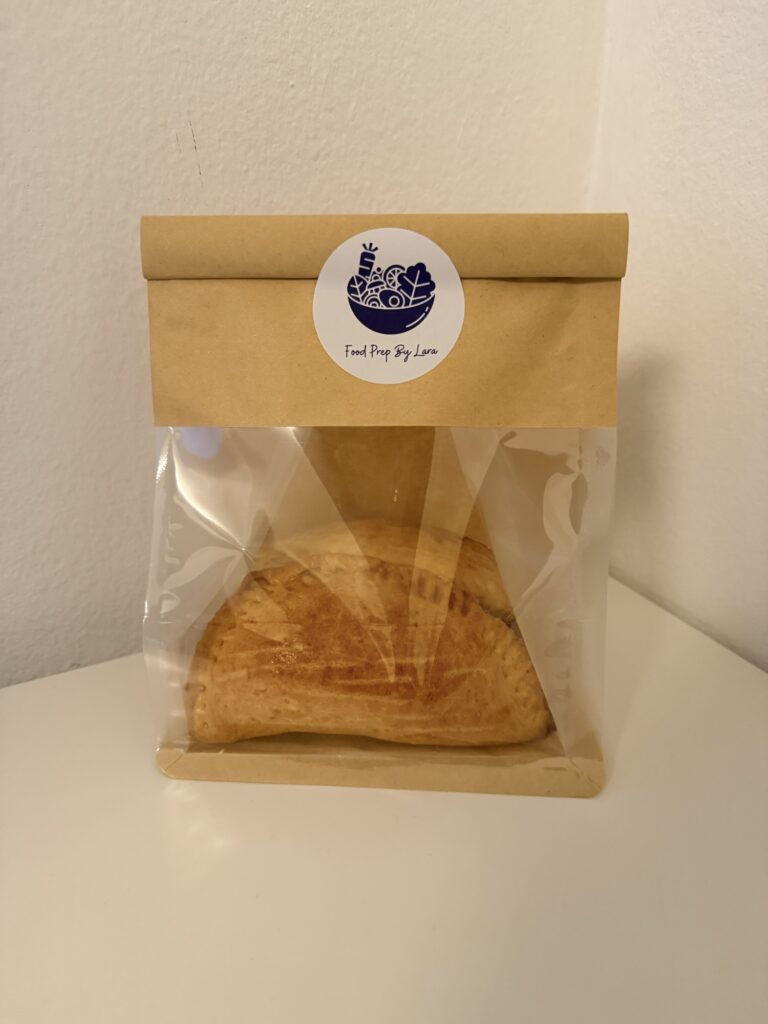
Puff Puff is soft, lightly sweet fried dough. Chin Chin is crunchy fried pastry. Meat Pie is a savoury filled pastry, and Sausage Roll is a firm favourite. They are fun, easy to share and a great way to introduce friends to Nigerian food.
Where to Start
If you are new to Nigerian cuisine, here is a simple path:
- Start with rice. Jollof rice with chicken and fried plantain is the classic first plate.
- Try a stew. Efo Riro or Buka-style stew with rice is a great next step.
- Take on a swallow. Pounded Yam with Efo Riro, or Amala with Efo Riro, shows you how Nigerians eat at home.
- Go deeper. Abula, Ofada Rice with Ayamase and Ewa Aganyin are for when you are ready for the full experience.
- Snack along the way. Small chops make every step more fun.
Every dish on our website has a “What’s in it” box with ingredients and allergens, so you always know what you are eating.
Taste It for Yourself
The best way to understand Nigerian cuisine is to eat it. We cook every dish from scratch and deliver across Barcelona every Wednesday and Saturday, in single plates for one or bulk bowls to share.
Explore the full menu, choose a dish that catches your eye and start your own journey through Nigerian food.
Common questions
What is the base of most Nigerian cooking?
A pepper base of tomatoes, red bell peppers, scotch bonnet and onion, blended and cooked down slowly. It is the start of Buka-style stew, jollof rice and many other dishes.
What is Abula?
Abula is a Yoruba plate of Amala served with Gbegiri, a smooth bean soup, Ewedu, a light leafy green soup, and Buka-style stew poured over the top.
Is Nigerian food very spicy?
It depends on the dish. Jollof Rice and Fried Rice are gentle, while Ayamase is properly fiery. Each dish on our website lists what is in it so you can choose.